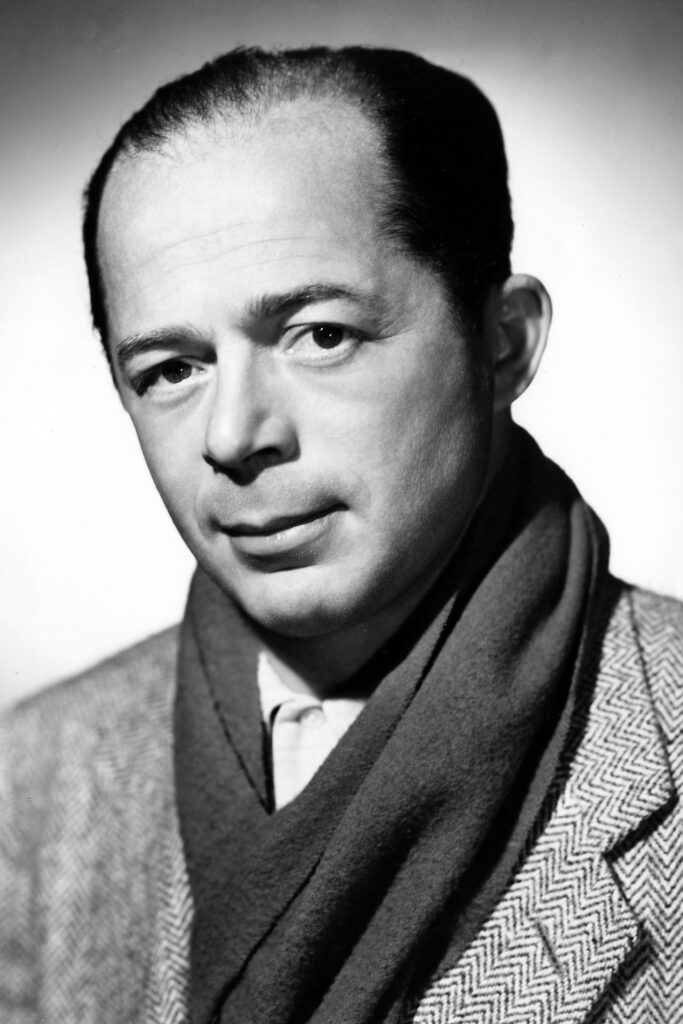
Billy Wilder
Billy Wilder wrote the sharpest dialogue in Hollywood history, and then he directed the actors saying it with a precision that made every line land like a blade. He was a cynic who believed in love, a moralist who adored corruption, and an immigrant who understood America better than most people born there.
He fled Berlin in 1933, one step ahead of the Nazis. His mother, grandmother, and stepfather all died in the Holocaust. He arrived in Hollywood with almost no English, shared a room at the Chateau Marmont, and within a decade became one of the most successful screenwriters in the industry. Within two decades, he was its greatest director-writer. That trajectory — from refugee to master — is the most remarkable origin story in American cinema.
Some Like It Hot is the funniest film ever made. That is not a controversial statement. It is a consensus that has held for over sixty years. Wilder took cross-dressing, organized crime, and sexual politics and wove them into a comedy so perfectly constructed that its final line — "Well, nobody's perfect" — is the greatest closing joke in film history.
Double Indemnity invented film noir. Before Wilder, crime films were about cops catching criminals. Double Indemnity was about the criminals themselves — ordinary people who discover that murder is easier than they thought and harder to live with than they imagined. The narration, the shadows, the doomed lovers — every noir trope begins here.
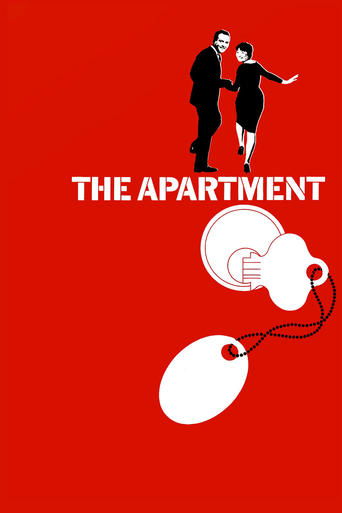
Sunset Boulevard turned Hollywood against itself and created the most savage portrait of fame ever committed to celluloid. The Apartment won Best Picture by telling the story of a man who loans his apartment to his bosses for their affairs — a premise so dark that Wilder wrapped it in romantic comedy and made audiences laugh while their hearts broke. Stalag 17 found humor in a POW camp. Ace in the Hole predicted the age of exploitative media sixty years before it arrived.
He won six Academy Awards. He directed twenty-five films. He could work in any genre — comedy, drama, noir, war, romance — and he was the best at all of them. His office at the Writers Guild had a sign on the door: "How would Lubitsch do it?" It was his tribute to his mentor, Ernst Lubitsch. Nobody ever put a sign on their door asking how Wilder would do it. They did not need to. Everyone was already trying.
Signature Style
Where to Start
New to Billy Wilder? Begin here.
The Apartment
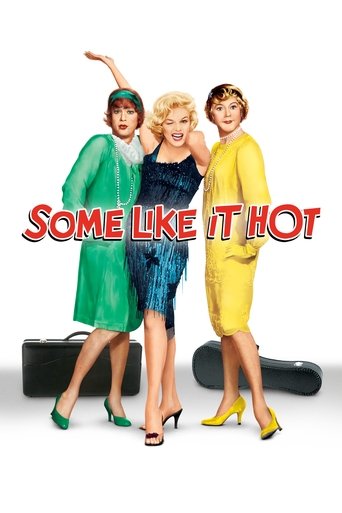
Some Like It Hot
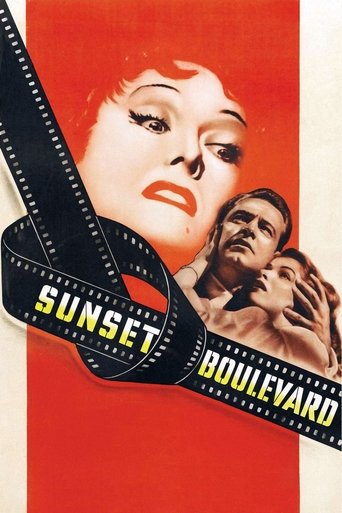
Sunset Boulevard
Filmography
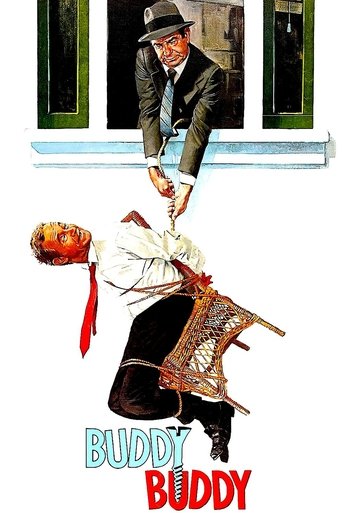
Buddy Buddy
1981 Comedy, Crime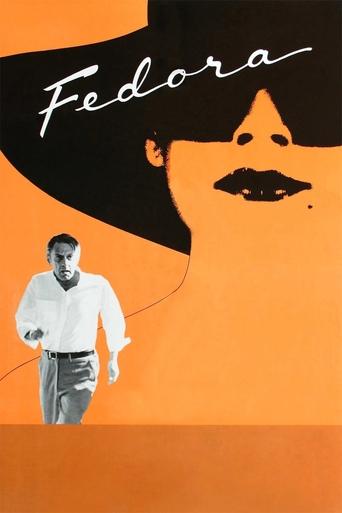
Fedora
1978 Drama, Mystery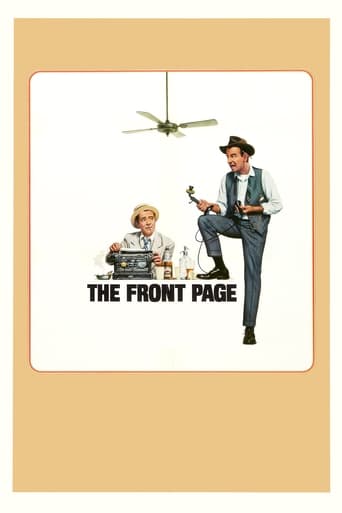
The Front Page
1974 Comedy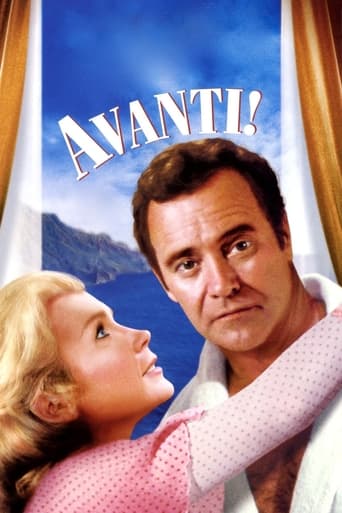
Avanti!
1972 Comedy, Romance
The Private Life of Sherlock Holmes
1970 Adventure, Mystery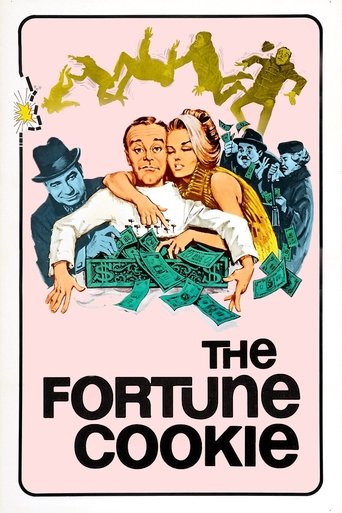
The Fortune Cookie
1966 Comedy, Drama
Kiss Me, Stupid
1964 Comedy, Romance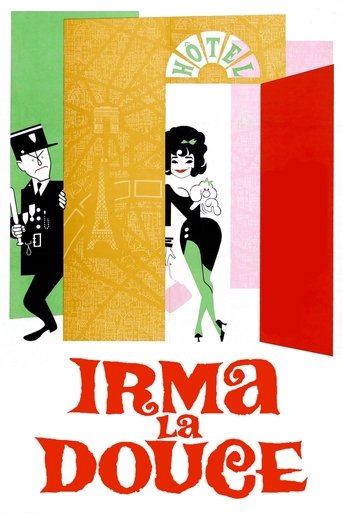
Irma la Douce
1963 Romance, Comedy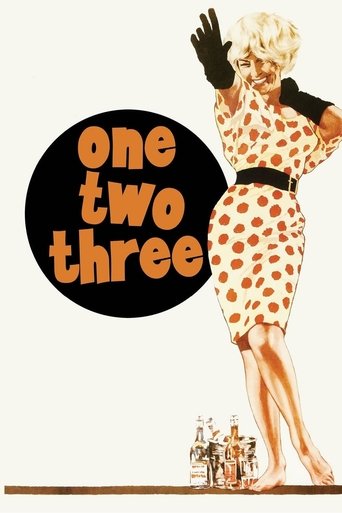
One, Two, Three
1961 Comedy
Essential
The Apartment
1960 Comedy, Drama
Essential
Some Like It Hot
1959 Comedy, Romance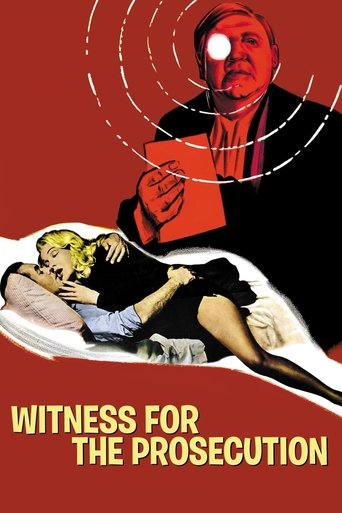
Witness for the Prosecution
1957 Drama, Mystery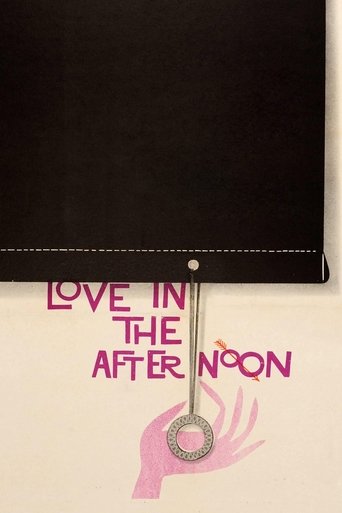
Love in the Afternoon
1957 Comedy, Romance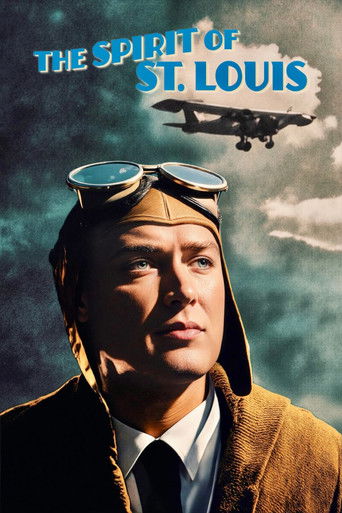
The Spirit of St. Louis
1957 Adventure, Drama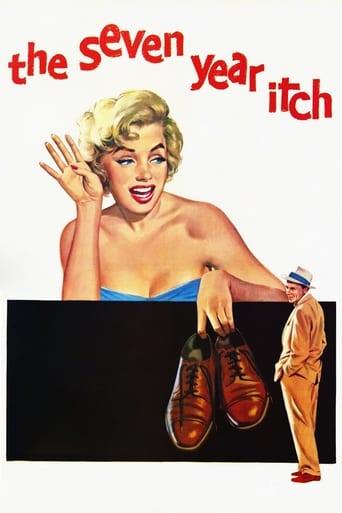
The Seven Year Itch
1955 Comedy, Romance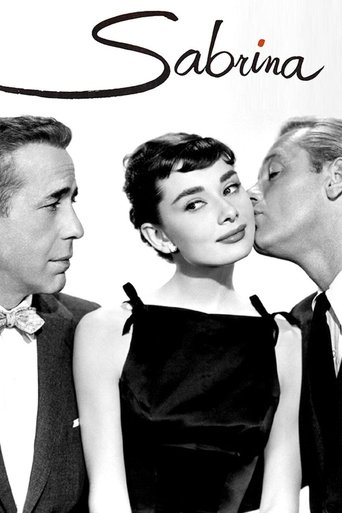
Sabrina
1954 Comedy, Romance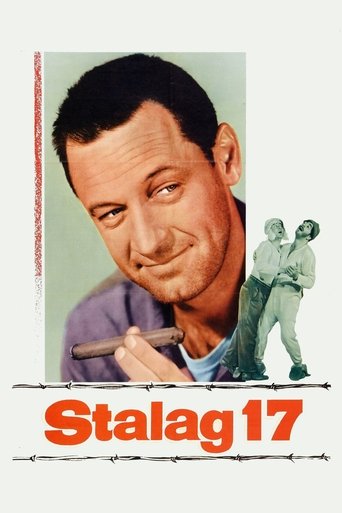
Stalag 17
1953 Comedy, Drama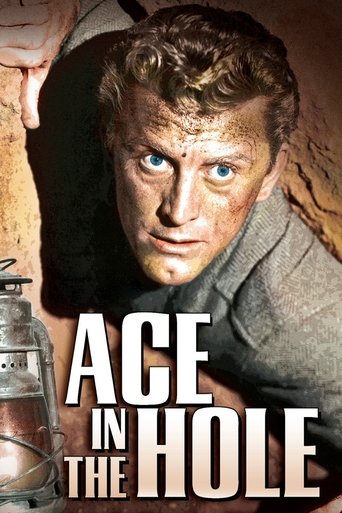
Ace in the Hole
1951 Drama
Essential
Sunset Boulevard
1950 Drama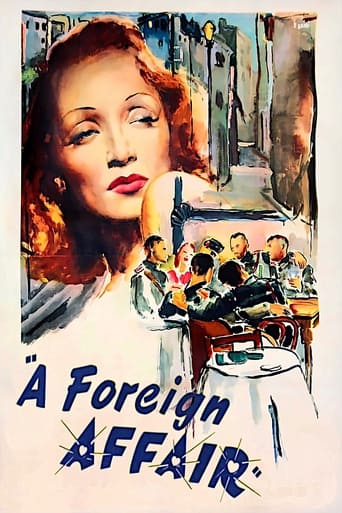
A Foreign Affair
1948 Romance, Comedy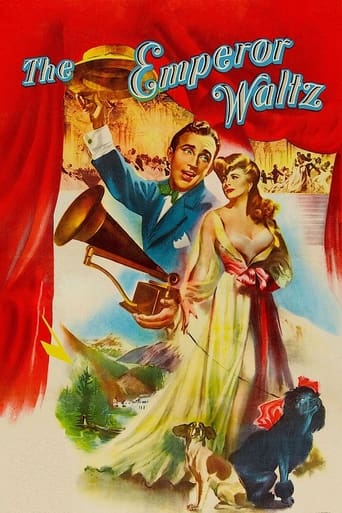
The Emperor Waltz
1948 Romance, Comedy
The Lost Weekend
1945 Drama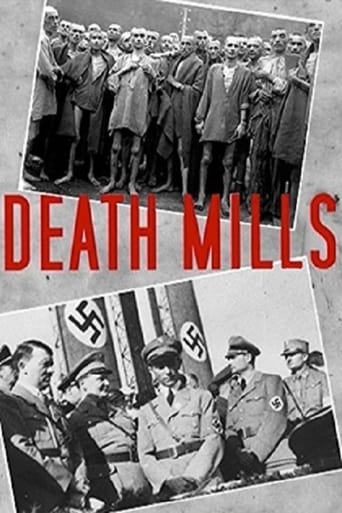
Death Mills
1945 War, Documentary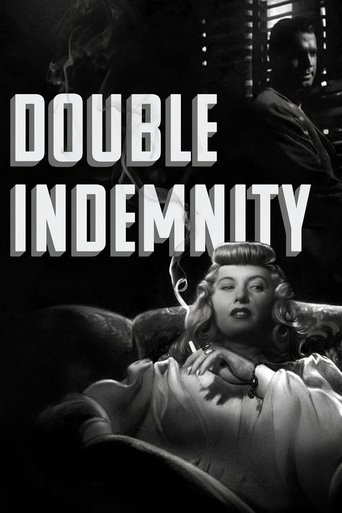
Double Indemnity
1944 Crime, Thriller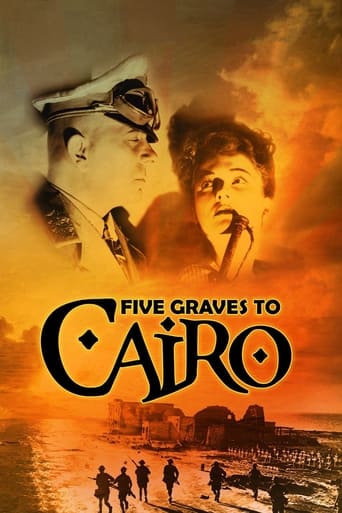
Five Graves to Cairo
1943 War, Thriller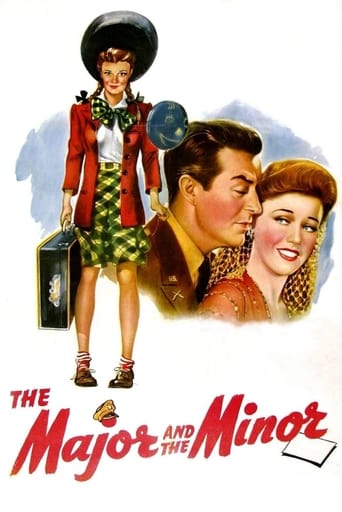
The Major and the Minor
1942 Comedy, Romance