Wes Anderson
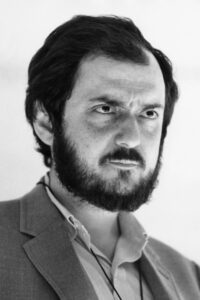
Wes Anderson builds dollhouses and fills them with grief. That is the paradox at the center of his work, and it is the reason his films endure long after the initial charm of their meticulously composed frames wears off. The symmetry is not decoration. It is armor. His characters arrange the world around them with obsessive precision because the alternative — confronting the chaos of loss, abandonment, and failed connection — is too painful to face without structure.
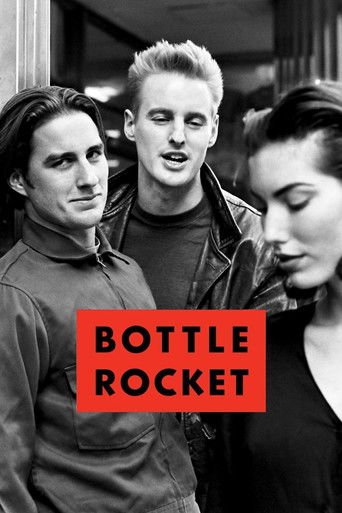
Bottle Rocket, his debut, was a commercial failure and an announcement of intent: a film about lovable, delusional dreamers shot with a deadpan precision that would become his signature. Rushmore refined the formula and introduced the Wes Anderson protagonist — a person of enormous ambition and limited self-awareness, convinced that style and effort can compensate for the emotional wounds they refuse to acknowledge.
The Royal Tenenbaums is his masterpiece. A family of former child prodigies reunites when their estranged father claims to be dying, and Anderson uses the resulting chaos to examine how early promise curdles into adult disappointment. Every character is broken in a specific, precisely rendered way. The needle drops — Nico, Elliott Smith, the Ramones — are devastatingly chosen. The Richie Tenenbaum bathroom scene is the moment Anderson proved he could break your heart while maintaining complete formal control.
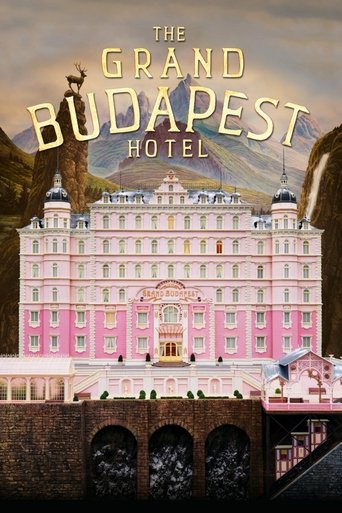
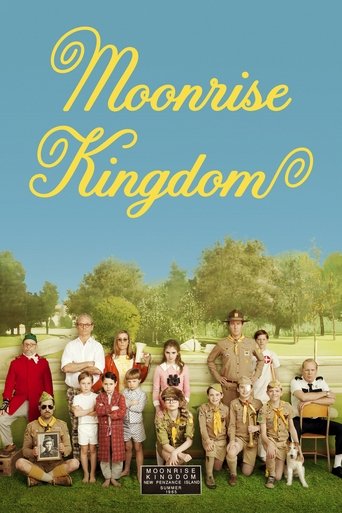
The Life Aquatic dove deeper into melancholy. The Darjeeling Limited sent three brothers across India in search of the mother who abandoned them. Moonrise Kingdom found innocence. The Grand Budapest Hotel found elegance in the face of fascism, and it is his most commercially and critically successful film — a Russian nesting doll of narratives set in a fictional European hotel that serves as a metaphor for civilization itself.
His animated films — Fantastic Mr. Fox and Isle of Dogs — are among the best stop-motion features ever made. The French Dispatch is a love letter to journalism and to The New Yorker specifically. Asteroid City is his most formally experimental work, a film within a film within a television broadcast that examines creativity, loss, and the inadequacy of art to explain the inexplicable.
Every Wes Anderson film looks like a Wes Anderson film. The centered compositions, the lateral tracking shots, the pastel palettes, the handwritten labels. Critics call it precious. They are wrong. The precision is the emotion. Anderson arranges every frame because his characters cannot arrange their lives, and the gap between the two — between the perfect frame and the imperfect human inside it — is where his films live.
Signature Style
Where to Start
New to Wes Anderson? Begin here.
The Grand Budapest Hotel
Moonrise Kingdom
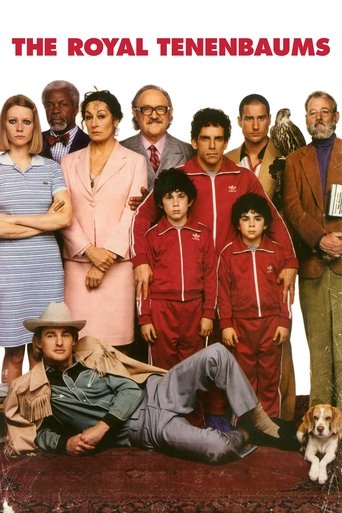
The Royal Tenenbaums
Filmography

The Phoenician Scheme
2025 Comedy, Adventure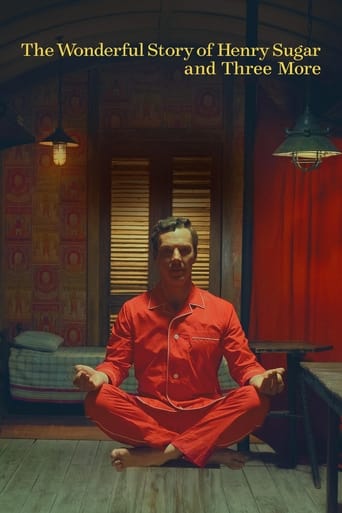
The Wonderful Story of Henry Sugar and Three More
2024 Comedy, Drama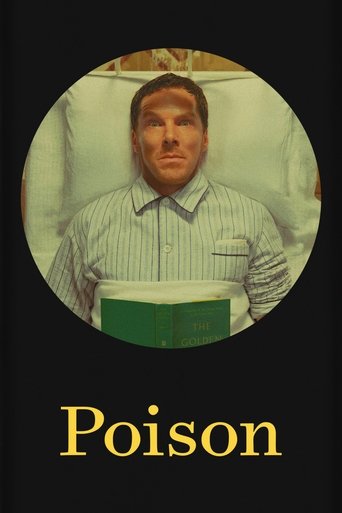
Poison
2023 Comedy, Drama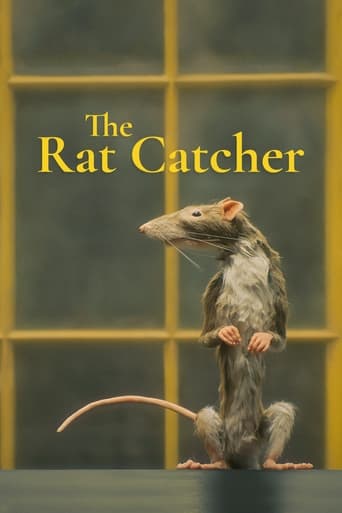
The Rat Catcher
2023 Comedy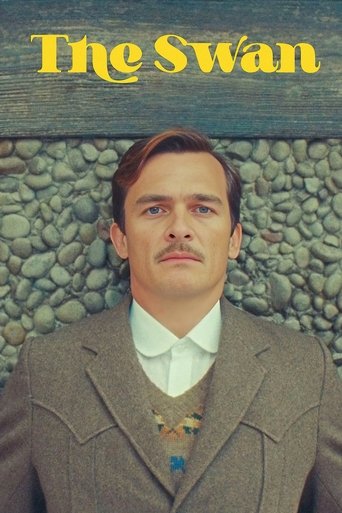
The Swan
2023 Drama, Comedy
The Wonderful Story of Henry Sugar
2023 Comedy, Fantasy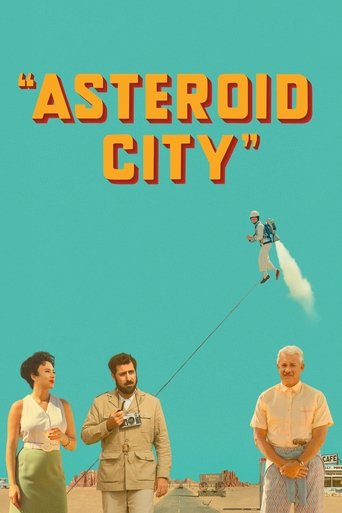
Asteroid City
2023 Comedy, Drama
The French Dispatch of the Liberty, Kansas Evening Sun
2021 Drama, Comedy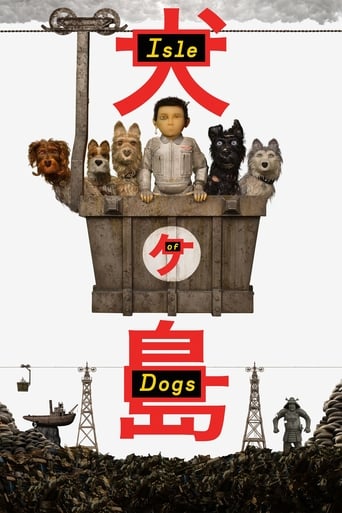
Isle of Dogs
2018 Adventure, Comedy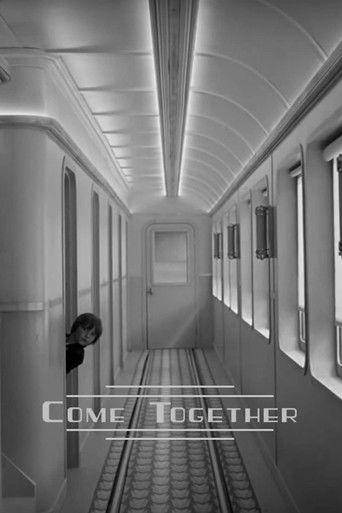
Come Together
2016
Essential
The Grand Budapest Hotel
2014 Comedy, Drama
Castello Cavalcanti
2013 Comedy, Drama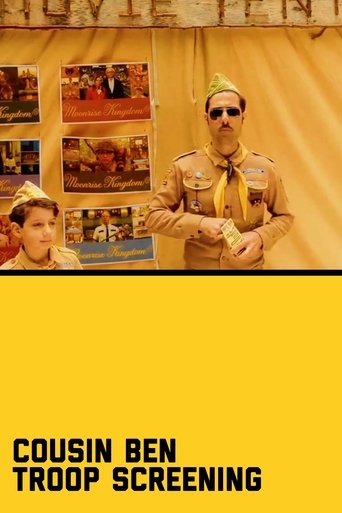
Cousin Ben Troop Screening
2012 Comedy
Do You Like to Read?
2012 Comedy, Animation
Essential
Moonrise Kingdom
2012 Comedy, Drama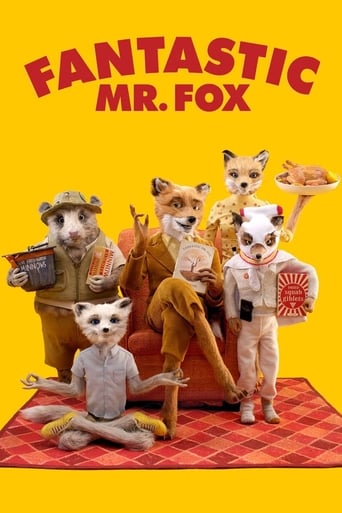
Fantastic Mr. Fox
2009 Adventure, Animation
Hotel Chevalier
2007 Drama, Romance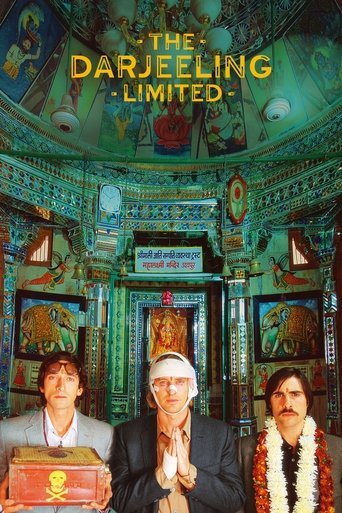
The Darjeeling Limited
2007 Adventure, Drama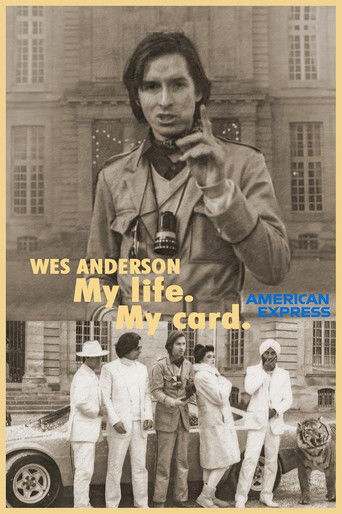
My Life. My Card.
2006 Comedy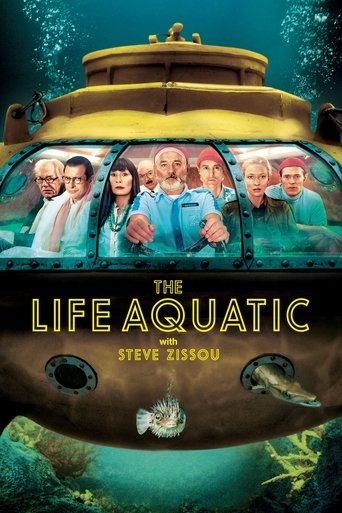
The Life Aquatic with Steve Zissou
2004 Adventure, Comedy
Essential
The Royal Tenenbaums
2001 Comedy, Drama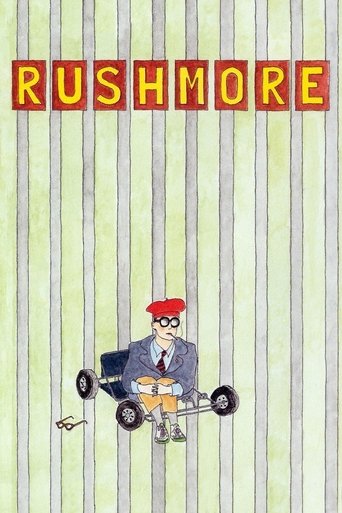
Rushmore
1998 Comedy, Drama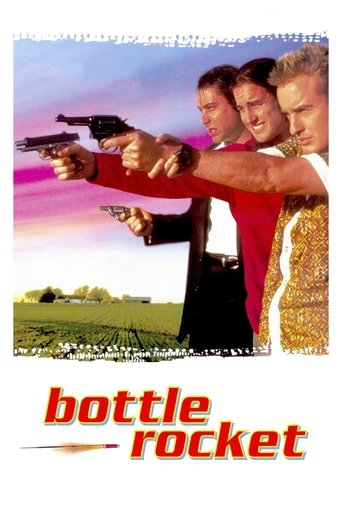
Bottle Rocket
1996 Comedy, Crime