Quentin Tarantino
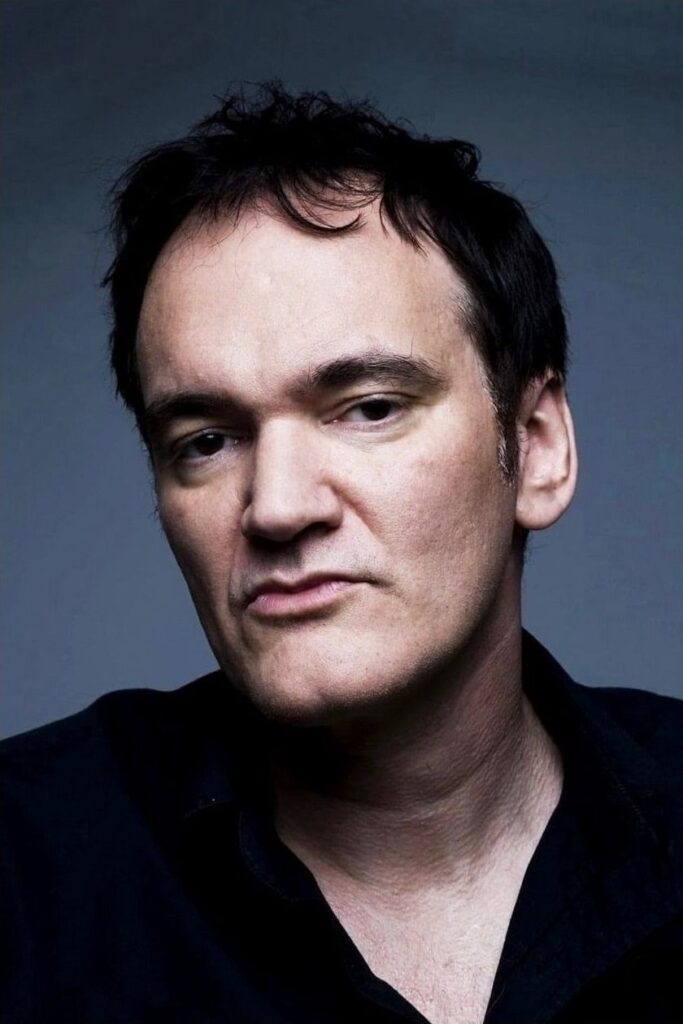
Quentin Tarantino learned to make films by watching them. Not in film school — he never went. At Video Archives, a rental store in Manhattan Beach, California, where he worked through his twenties, consuming thousands of films from every genre, every country, every era. He absorbed blaxploitation and the French New Wave, spaghetti Westerns and Shaw Brothers kung fu, noir and screwball comedy, and he synthesized all of it into a style so distinctive that it spawned an entire subgenre: the Tarantino film.
Reservoir Dogs detonated in 1992 like a bomb thrown into independent cinema. It was talky, violent, nonlinear, and absolutely electric. But it was Pulp Fiction that changed everything. Released in 1994, it won the Palme d'Or, resurrected John Travolta's career, turned Samuel L. Jackson into a icon, and proved that a film could be simultaneously literary and pulpy, intellectual and visceral, hilarious and brutal. The structure — three interlocking stories told out of chronological order — was not new, but Tarantino made it feel new, and every screenwriter who has shuffled a timeline since is working in his wake.
His dialogue is his signature. No one writes characters who talk the way Tarantino's characters talk — long, digressive, hypnotic conversations about hamburgers and television pilots and foot massages that seem to have nothing to do with the plot until you realize they have everything to do with character. The conversations are the film. The violence is punctuation.
Kill Bill turned revenge into ballet. Inglourious Basterds rewrote World War II with the audacity of a filmmaker who believes that cinema is more powerful than history. Django Unchained did the same for slavery, creating a Black hero in a genre that had never allowed one. Once Upon a Time in Hollywood is his love letter to a lost Los Angeles, and its final thirty minutes are the most cathartic stretch of cinema he has ever produced.
He has said he will retire after ten films. The Movie Critic, his planned tenth, would complete a filmography that is remarkably consistent in quality — not a single outright failure in the group, which is an achievement that almost no other director working today can claim.
Tarantino proved that cinephilia is not a hobby. It is a creative discipline. Every film he has made is a conversation with every film he has ever watched, and the conversation is far from over.
Signature Style
Where to Start
New to Quentin Tarantino? Begin here.
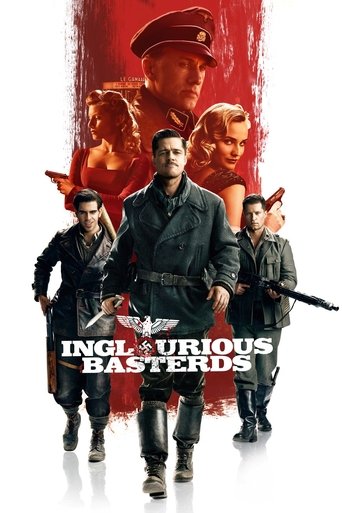
Inglourious Basterds
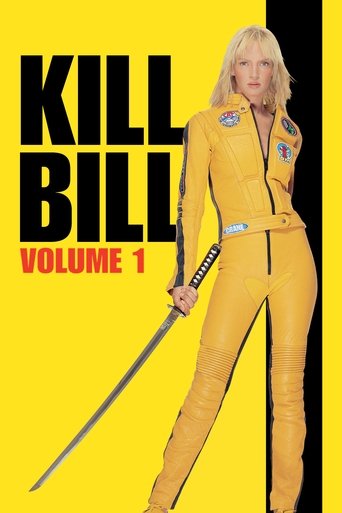
Kill Bill: Vol. 1
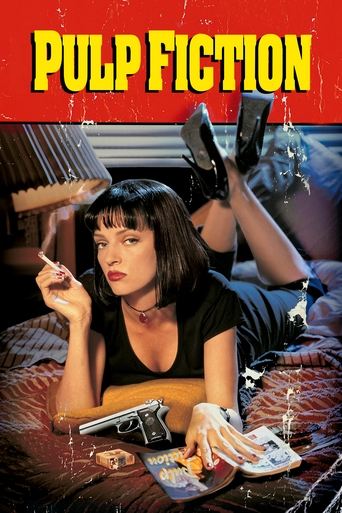
Pulp Fiction
Filmography
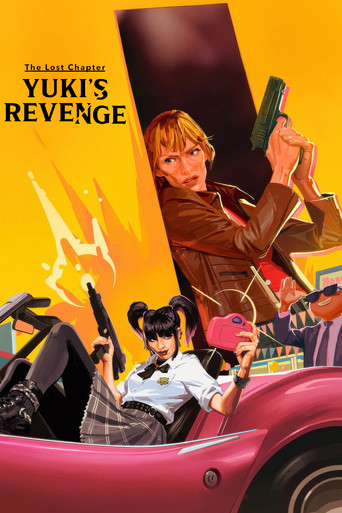
The Lost Chapter: Yuki's Revenge
2025 Action, Animation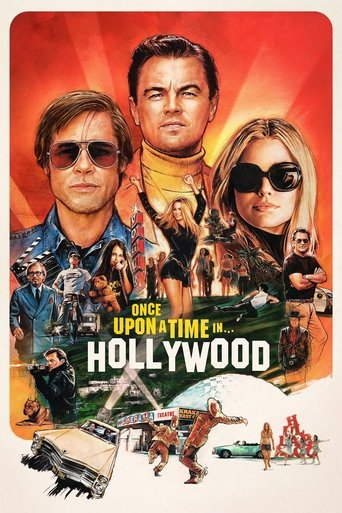
Once Upon a Time... in Hollywood
2019 Comedy, Drama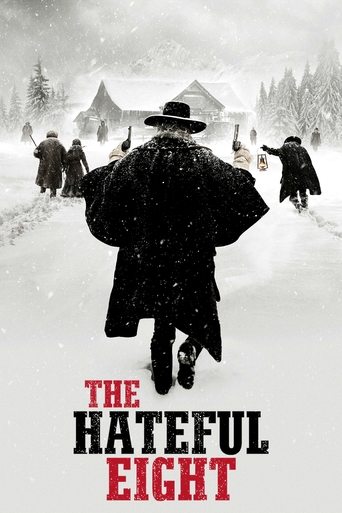
The Hateful Eight
2015 Drama, Mystery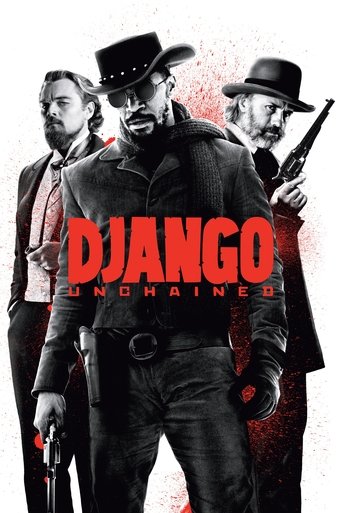
Django Unchained
2012 Drama, Western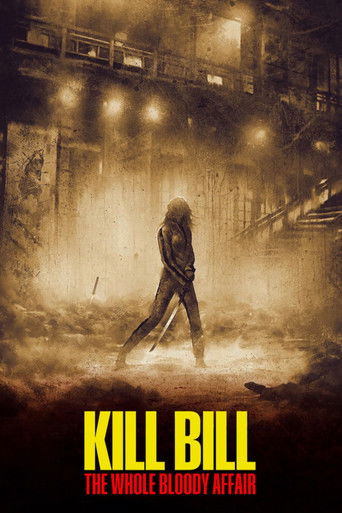
Kill Bill: The Whole Bloody Affair
2011 Action, Crime
Essential
Inglourious Basterds
2009 Drama, Thriller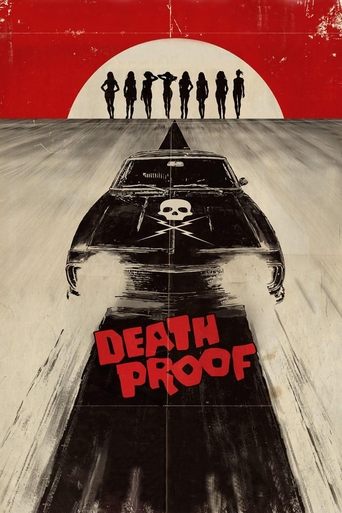
Death Proof
2007 Action, Thriller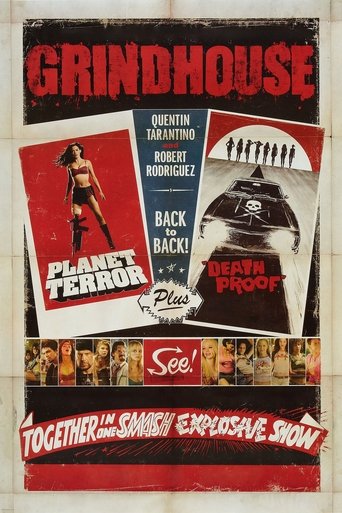
Grindhouse
2007 Thriller, Action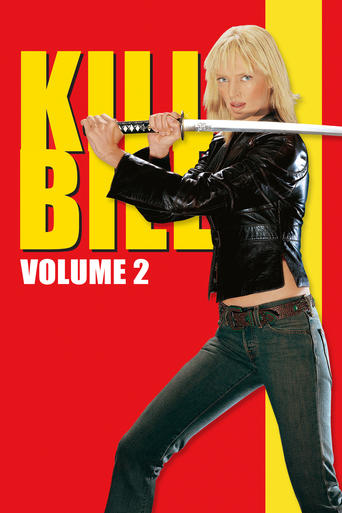
Kill Bill: Vol. 2
2004 Action, Crime
Essential
Kill Bill: Vol. 1
2003 Action, Crime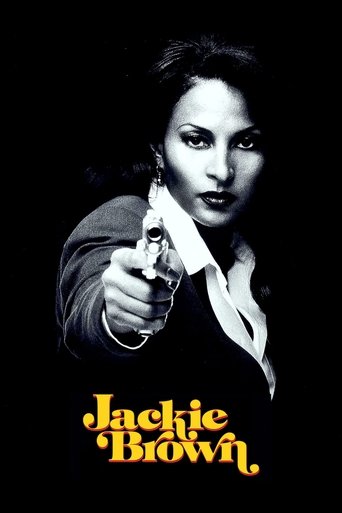
Jackie Brown
1997 Crime, Drama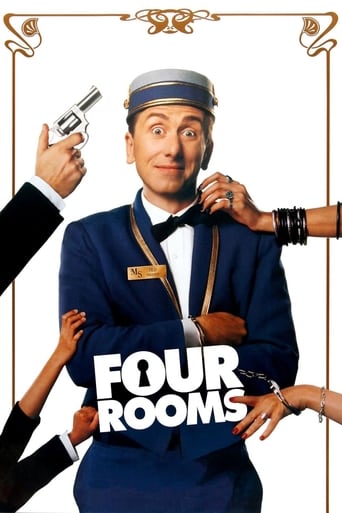
Four Rooms
1995 Comedy
Essential
Pulp Fiction
1994 Thriller, Crime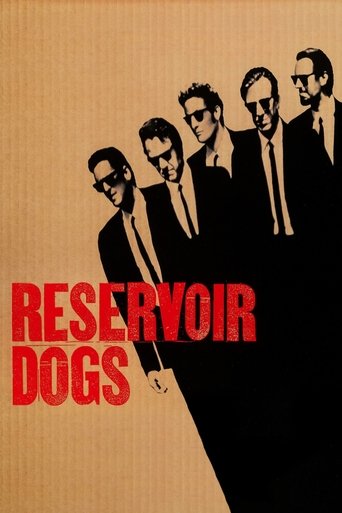
Reservoir Dogs
1992 Crime, Thriller