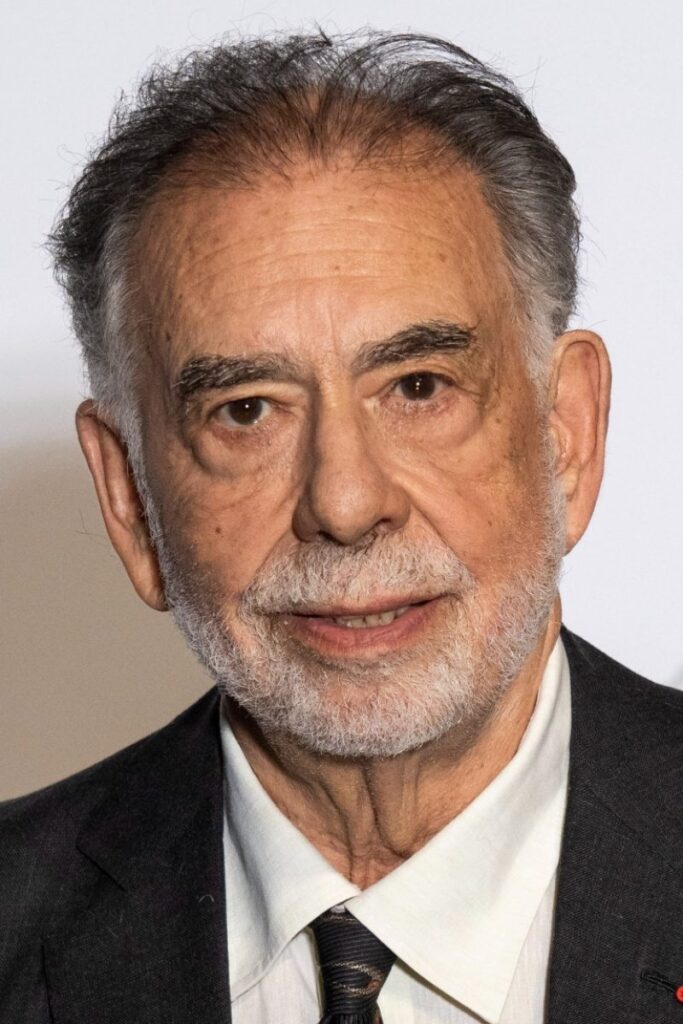
Francis Ford Coppola
Francis Ford Coppola made the two greatest American films in a span of two years. Then he nearly destroyed himself trying to surpass them. That is the Coppola story — ambition so enormous that it creates masterpieces and catastrophes with equal intensity.
The Godfather is not just a film. It is the film. It reshaped American cinema, redefined the gangster genre, and created a mythology so powerful that actual mobsters started imitating it. Coppola was twenty-nine when Paramount hired him, thirty-one when he finished it, and the studio tried to fire him multiple times during production. He fought for Brando. He fought for Pacino. He fought for the look, the pace, the operatic grandeur that no one at the studio believed audiences wanted. He was right about all of it.
The Godfather Part II did something no sequel had ever done: it surpassed the original. It is the only sequel to win Best Picture. The dual timeline structure — Vito Corleone's rise in early-twentieth-century New York intercut with Michael Corleone's moral disintegration in the 1950s — is the most sophisticated narrative architecture in American cinema. The final image of Michael sitting alone, having won everything and lost everything, is the loneliest shot in film history.
The Conversation is a paranoia thriller made between the two Godfathers, and it might be the best of the three. Gene Hackman's surveillance expert Harry Caul is a portrait of a man consumed by his own craft, and Coppola directed it with a restraint that makes its slow-burn tension almost unbearable.
Then came Apocalypse Now — the film that nearly killed him. The shoot in the Philippines was legendary for its disasters: typhoons destroyed sets, Martin Sheen had a heart attack, Brando arrived overweight and unprepared, and Coppola himself had a nervous breakdown. The result is the greatest war film ever made, a journey upriver into the heart of madness that uses Vietnam as a lens for examining the darkness at the core of civilization itself.
His career after the 1970s was uneven. One from the Heart bankrupted him. He spent decades making wine and smaller films. Megalopolis, his self-financed epic released in 2024, proved that at eighty-five he still had the audacity of a young filmmaker with nothing to lose. That audacity has always been his defining quality — for better and worse, in triumph and disaster, Coppola has never once played it safe.
Signature Style
Where to Start
New to Francis Ford Coppola? Begin here.
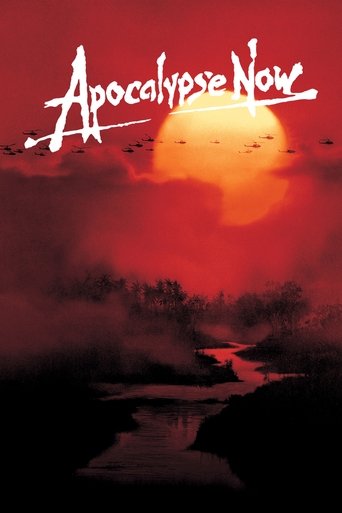
Apocalypse Now
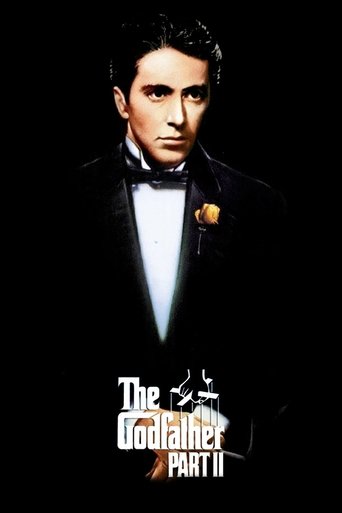
The Godfather Part II
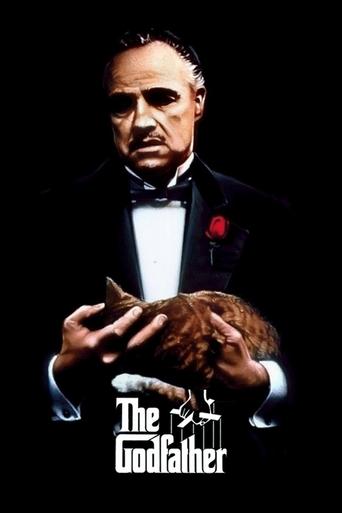
The Godfather
Filmography
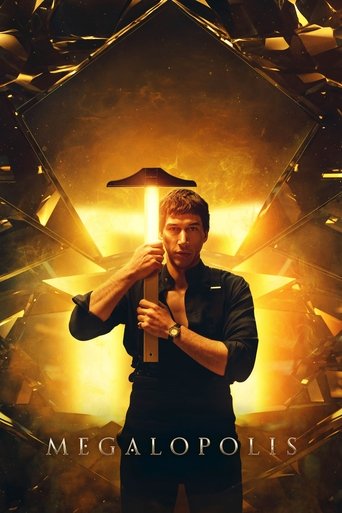
Megalopolis
2024 Science Fiction, Drama
The Godfather: The Complete Epic 1901–1959
2016 Crime, Drama
Henri Langlois vu par...
2014 Documentary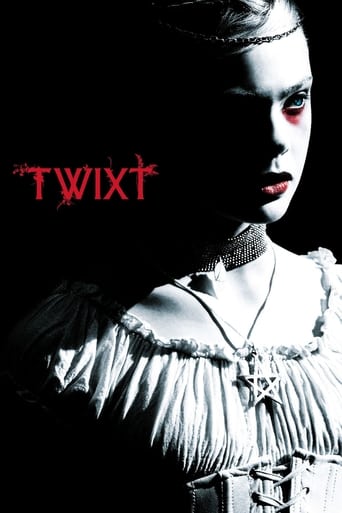
Twixt
2011 Mystery, Fantasy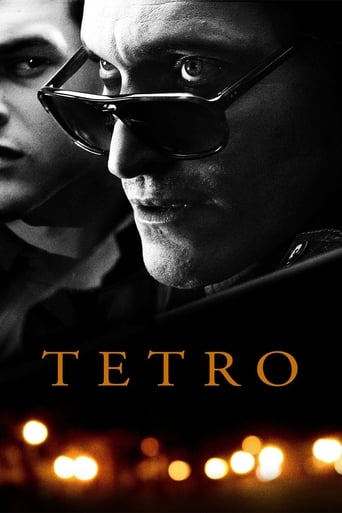
Tetro
2009 Drama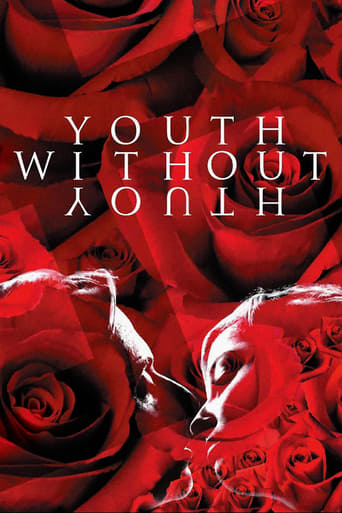
Youth Without Youth
2007 Fantasy, Drama
One Morning All Over the World
2000 Documentary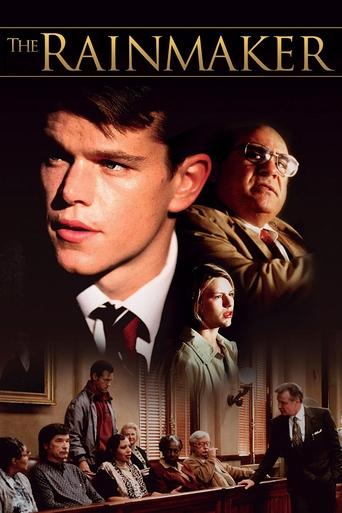
The Rainmaker
1997 Drama, Crime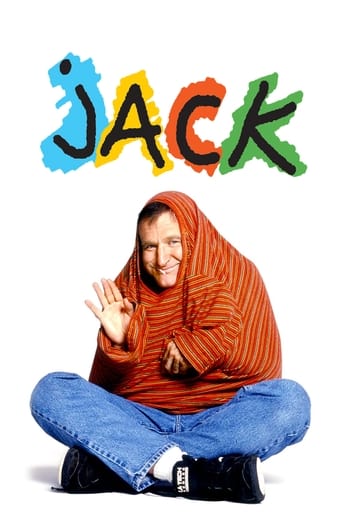
Jack
1996 Comedy, Family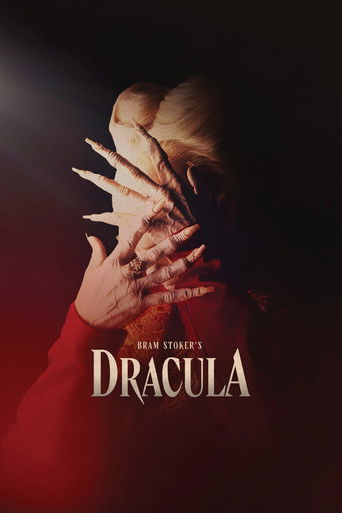
Bram Stoker's Dracula
1992 Romance, Horror
The Godfather Trilogy: 1901-1980
1992 Crime, Drama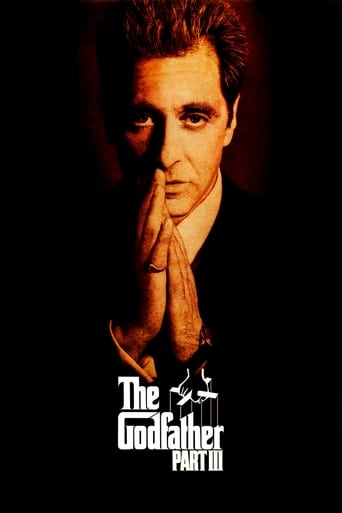
The Godfather Part III
1990 Crime, Drama
New York Stories
1989 Comedy, Drama
Tucker: The Man and His Dream
1988 Drama
Gardens of Stone
1987 War, Drama
Faerie Tale Theatre: Rip Van Winkle
1987 Fantasy, TV Movie
Peggy Sue Got Married
1986 Comedy, Drama
Captain EO
1986 Science Fiction, Music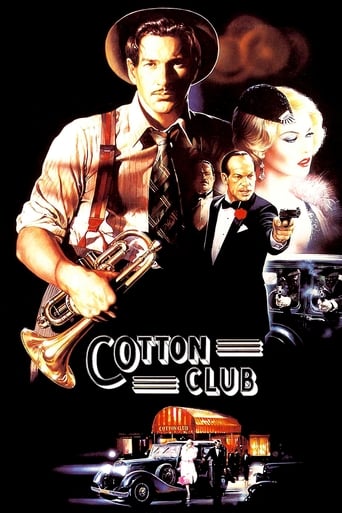
The Cotton Club
1984 Crime, Drama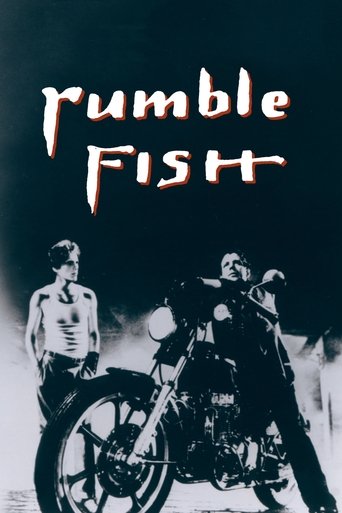
Rumble Fish
1983 Crime, Drama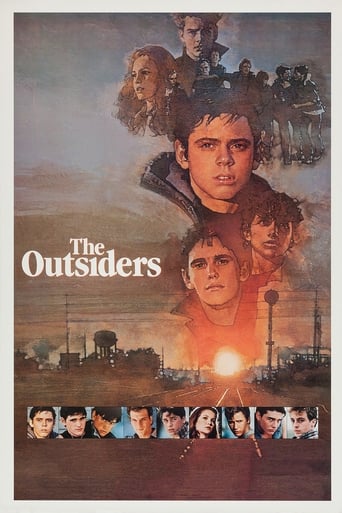
The Outsiders
1983 Crime, Drama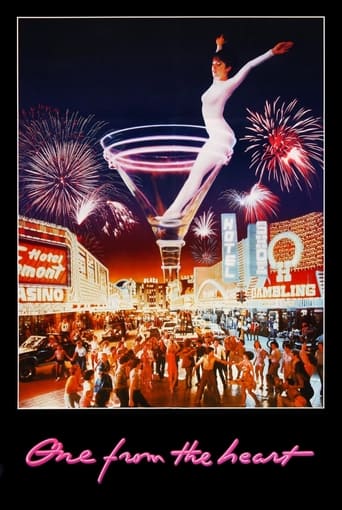
One from the Heart
1982 Drama, Romance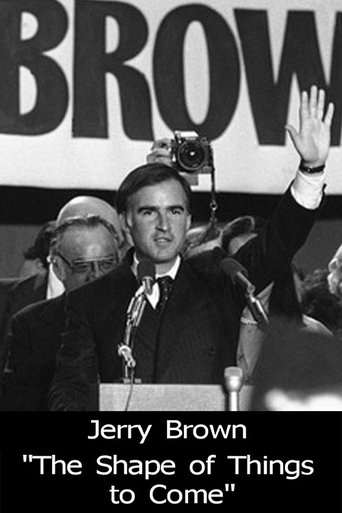
Jerry Brown: The Shape of Things to Come
1980 Documentary
Essential
Apocalypse Now
1979 Drama, War
Essential
The Godfather Part II
1974 Drama, Crime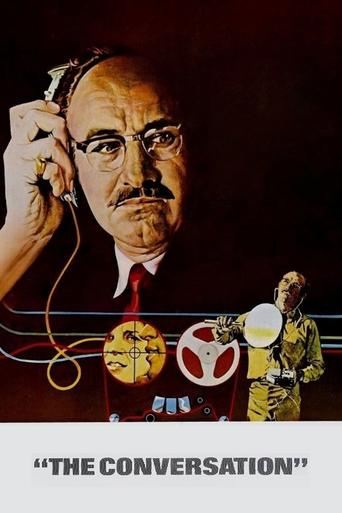
The Conversation
1974 Crime, Drama
Essential
The Godfather
1972 Drama, Crime
The Rain People
1969 Drama
Finian's Rainbow
1968 Fantasy, Romance
You're a Big Boy Now
1966 Comedy, Romance
Dementia 13
1963 Horror, Mystery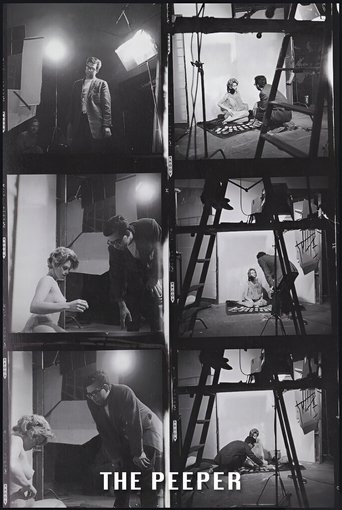
The Peeper
1962 Drama
Tonight for Sure
1962 Comedy, Western
The Bellboy and the Playgirls
1962 Comedy