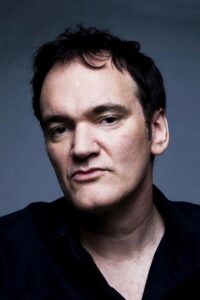
Christopher Nolan
Christopher Nolan makes blockbusters that require your full attention. In an era when most studio films are designed to be half-watched on a phone, Nolan builds structures so intricate and so dependent on audience engagement that looking away for thirty seconds can mean losing the thread entirely. He is the last director who can open a $200 million original film on the strength of his name alone, and he has earned that power by never once underestimating his audience's intelligence.
Memento, made for $4.5 million, told its story in reverse and turned a murder mystery into a philosophical puzzle about memory, identity, and the narratives we construct to make sense of our lives. It was his calling card, and it announced a filmmaker obsessed with time — not as a setting but as a mechanism, something that can be bent, split, reversed, and weaponized.
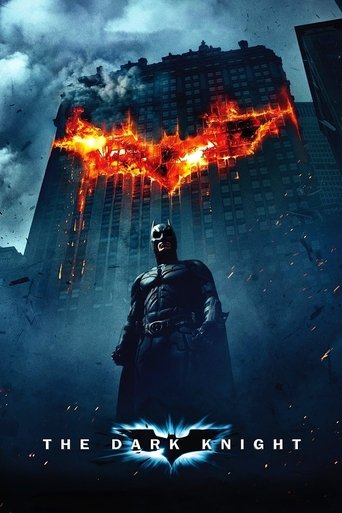
The Dark Knight transcended the superhero genre entirely. Heath Ledger's Joker is not a comic book villain — he is a force of anarchic philosophy, and Nolan directed the performance with a seriousness that elevated the entire genre. The film grossed over a billion dollars, and it deserved to. Inception folded that ambition further, creating a heist film set inside the architecture of dreams, with rules so precisely established that the audience could follow the action across four simultaneous levels of reality. The spinning top. The hallway fight. The kick. Nolan makes spectacle that is also intellectual, and Inception is the purest expression of that duality.
Interstellar reached for the cosmos and found a story about a father and his daughter. The docking scene is one of the most thrilling sequences in modern cinema. The scene where Cooper watches decades of his children's messages is one of the most heartbreaking. Nolan built a real cornfield, crashed a real plane into a real building for Tenet, and detonated a real nuclear explosion for Oppenheimer — because he believes that practical effects create a visceral reality that digital cannot replicate.
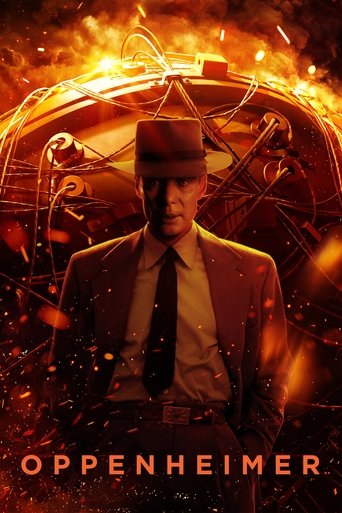
Oppenheimer won him the Best Director and Best Picture Oscars in 2024, completing a trajectory that felt both overdue and inevitable. It is his most mature film — a portrait of the man who built the atomic bomb, told with the structural complexity of a trial, a confession, and a tragedy happening simultaneously.
He shoots on IMAX film. He insists on theatrical releases. He builds real sets and uses real stunts. In a digital age, Christopher Nolan is cinema's last great advocate for the physical experience of watching a movie on the largest screen possible. That advocacy is not nostalgia. It is conviction.
Signature Style
Where to Start
New to Christopher Nolan? Begin here.
Oppenheimer

Inception
The Dark Knight
Filmography
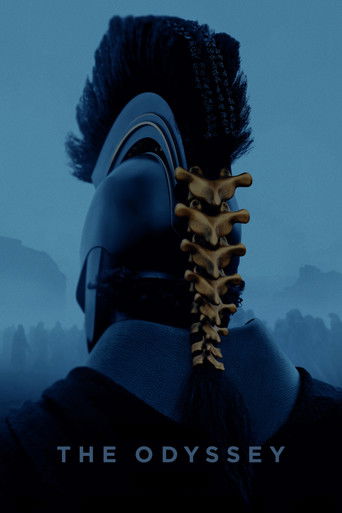
The Odyssey
2026 Adventure, Drama
Essential
Oppenheimer
2023 Drama, History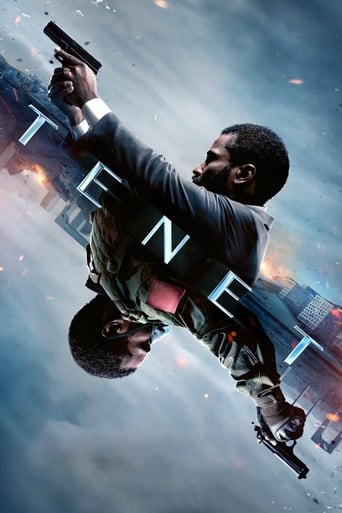
Tenet
2020 Action, Thriller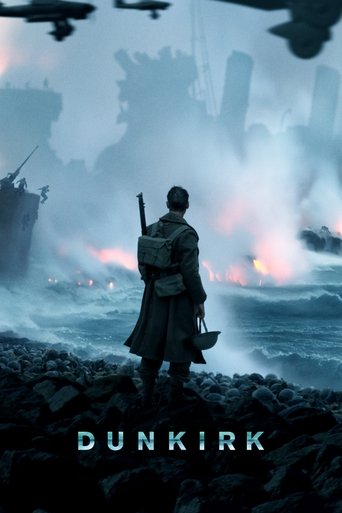
Dunkirk
2017 War, Action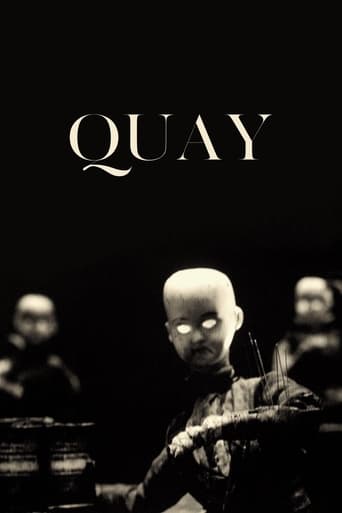
Quay
2015 Documentary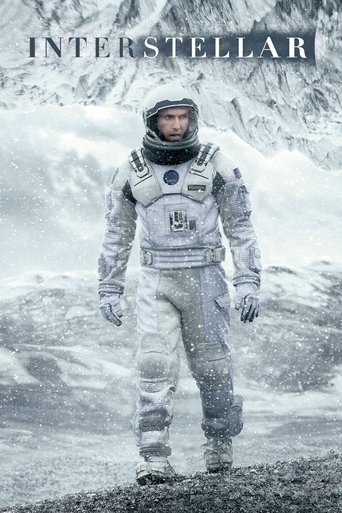
Interstellar
2014 Adventure, Drama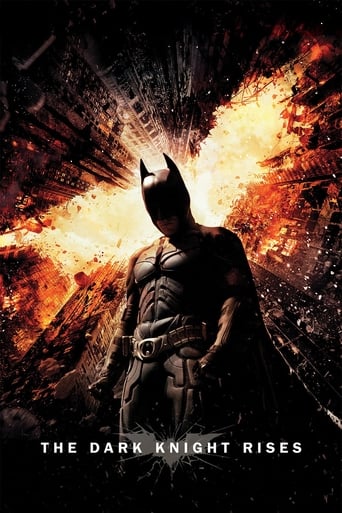
The Dark Knight Rises
2012 Action, Crime
Essential
Inception
2010 Action, Science Fiction
Essential
The Dark Knight
2008 Action, Crime
Cinema 16: European Short Films (U.S. Edition)
2007 Drama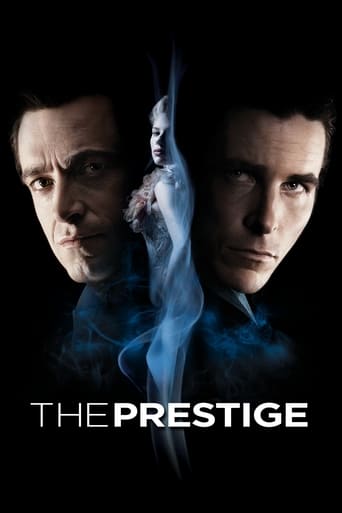
The Prestige
2006 Drama, Mystery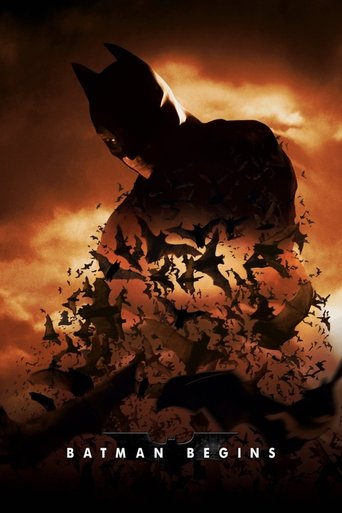
Batman Begins
2005 Drama, Crime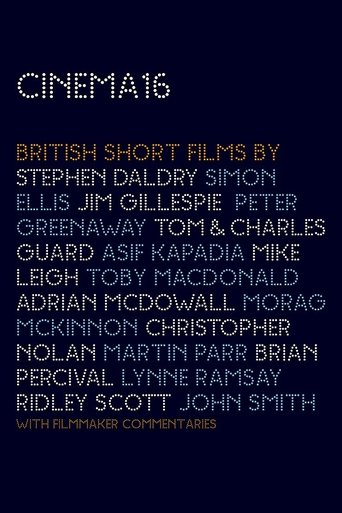
Cinema16: British Short Films
2003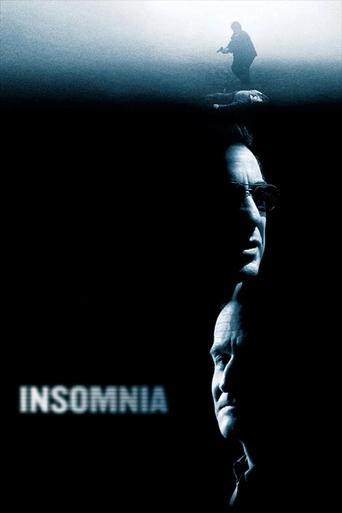
Insomnia
2002 Thriller, Crime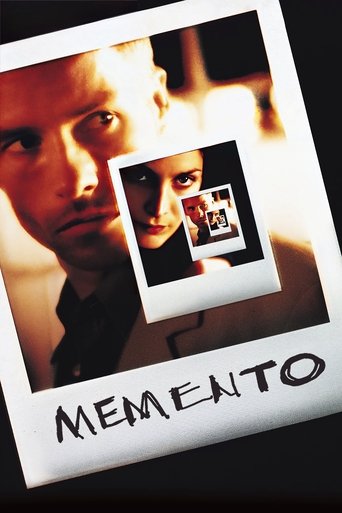
Memento
2000 Mystery, Thriller
Following
1999 Drama, Thriller
Doodlebug
1997 Horror
Larceny
1996 Crime, Drama