Andrei Tarkovsky
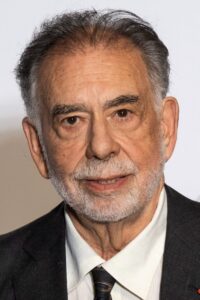
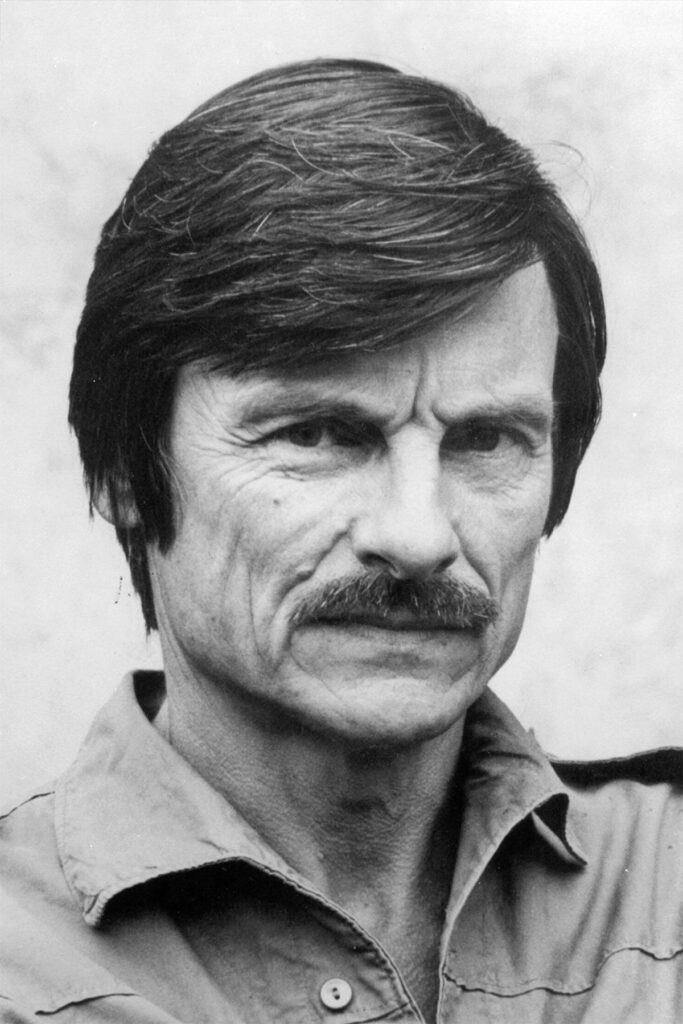
Andrei Tarkovsky made seven feature films. That is all. Seven films in twenty-four years, and they are enough to make him one of the most important artists of the twentieth century — not just in cinema, but in any medium.
His films do not move the way other films move. Time in a Tarkovsky film is not a tool for pacing — it is the subject itself. His camera lingers on water pooling in a ruined church, on grass bending beneath a breeze, on rain falling through a damaged roof. These are not establishing shots. They are the film. He believed that cinema's unique power was its ability to sculpt time, to capture duration itself as a material, and he built every frame around that conviction.
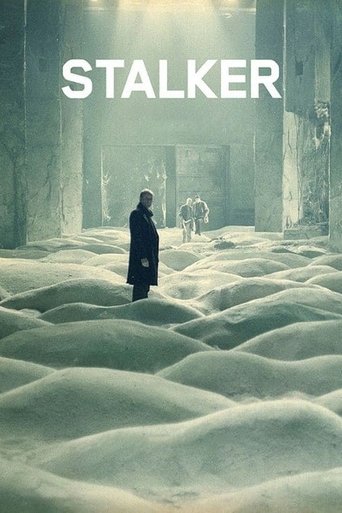
Stalker is his masterpiece — a science fiction film that contains almost no science fiction, a journey into a forbidden zone that turns out to be a journey into faith, despair, and the terrifying possibility that we do not actually want what we think we want. The final forty minutes, set in a single room, are among the most profound sequences in film history. The Zone is not a place. It is a state of being.
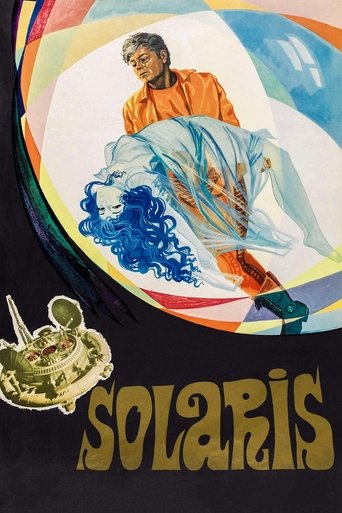
Andrei Rublev reimagined fifteenth-century Russia through the eyes of an icon painter, creating a three-hour meditation on art, violence, faith, and the responsibility of the creator. Soviet censors suppressed it for years. It was worth the wait. Solaris took Stanislaw Lem's novel and stripped away the hardware to find the human longing underneath — it is a love story disguised as science fiction, and its final image is one of the most haunting in cinema. Mirror fractured autobiography into poetry, weaving memory, dream, and documentary footage into something that plays less like a film and more like the experience of remembering itself.
The Soviet authorities made his life impossible. They delayed his projects, censored his work, and eventually drove him into exile. He made his final two films — Nostalghia and The Sacrifice — in Italy and Sweden, far from home, knowing he would never return. He was diagnosed with cancer during the production of The Sacrifice and died in Paris at fifty-four.
Ingmar Bergman said of him: "Tarkovsky for me is the greatest, the one who invented a new language." That is not hyperbole. It is a simple description of what happened. He invented a new language, and the world is still learning to speak it.
Signature Style
Where to Start
New to Andrei Tarkovsky? Begin here.
Stalker
Solaris
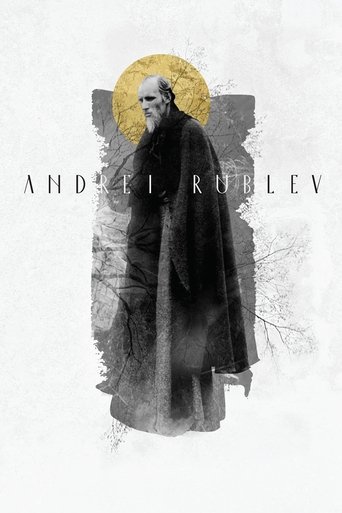
Andrei Rublev
Filmography
Voyage in Time
1990 Documentary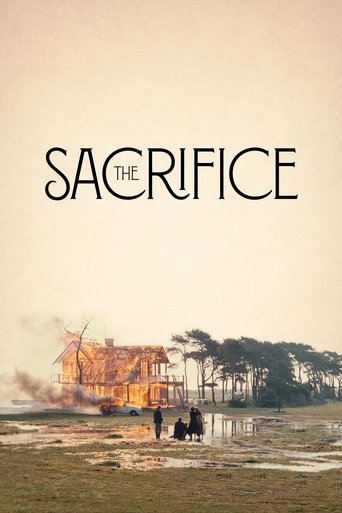
The Sacrifice
1986 Drama
Nostalgia
1983 Drama, Romance
Essential
Stalker
1979 Science Fiction, Drama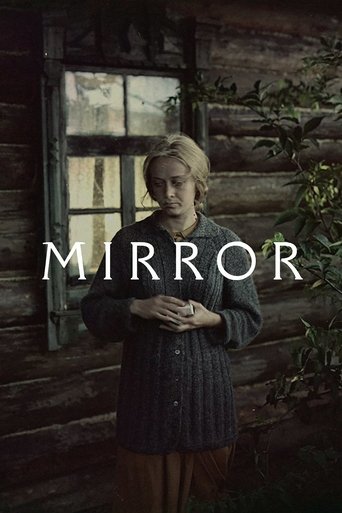
Mirror
1975 Drama, History
Essential
Solaris
1972 Drama, Science Fiction
Essential
Andrei Rublev
1966 Drama, History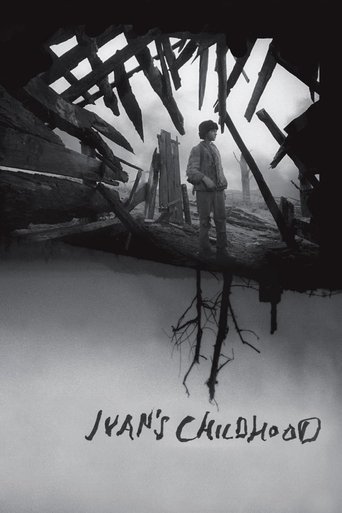
Ivan's Childhood
1962 Drama, War
The Steamroller and the Violin
1961 Drama
There Will Be No Leave Today
1959 Drama, TV Movie