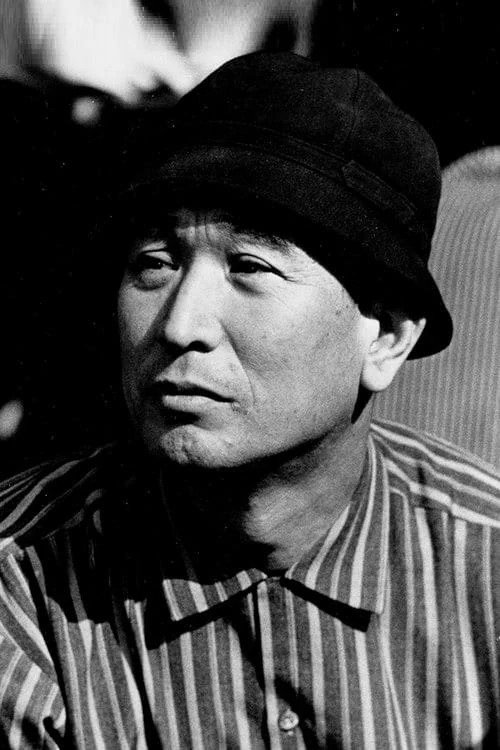
Akira Kurosawa
Akira Kurosawa is the reason Western audiences learned to take Japanese cinema seriously. He is also the reason George Lucas made Star Wars, the reason Sergio Leone invented the spaghetti Western, and the reason the word "sensei" carries weight in film schools around the world. His influence is so pervasive that most people who have never seen one of his films have seen dozens of films that exist because of him.
He began as a painter, and he never stopped being one. His storyboards were watercolor compositions of extraordinary beauty, and his films are composed with the eye of an artist who understood that cinema is, at its foundation, a visual medium. Every frame of a Kurosawa film could be hung in a gallery. But unlike paintings, his frames move — and they move with a kinetic energy that no one has matched.
Seven Samurai is the greatest action film ever made. It is also the greatest ensemble film, the greatest film about class, and one of the greatest films about what it means to fight for something larger than yourself. It runs three and a half hours and not a single minute is wasted. The final battle in the rain — shot with multiple cameras, a technique Kurosawa pioneered — is the sequence that every action director has been trying to replicate for seventy years.
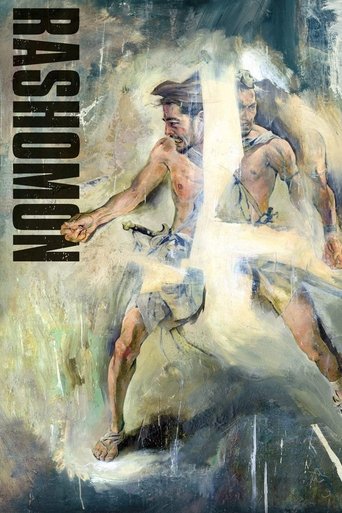
Rashomon did something no film had done before: it told the same story from four different perspectives and refused to tell the audience which one was true. It introduced the concept of subjective truth to cinema and, by extension, to the entire vocabulary of modern storytelling. The "Rashomon effect" is now a term used in psychology, philosophy, and law.
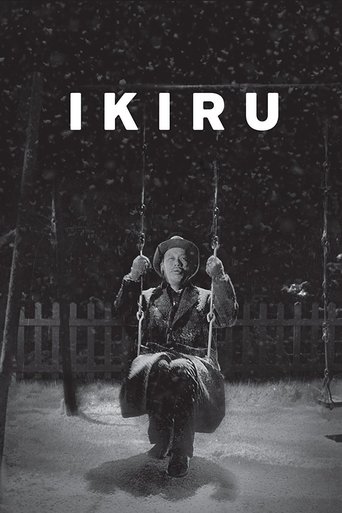
Ikiru is his most personal film — the story of a dying bureaucrat who discovers meaning in one final act of creation. It is devastating and quiet and completely unlike anything else in his filmography, which proves that Kurosawa's range was as vast as his ambition. Yojimbo invented the anti-hero action film. Ran reimagined King Lear as a Japanese epic of such visual grandeur that it makes most modern blockbusters look like television.
He struggled in his later years. Studios abandoned him. He attempted suicide in 1971. Then Coppola and Lucas helped finance Kagemusha, and Spielberg called him "the Shakespeare of cinema." He made Ran at seventy-five, Dreams at eighty, and continued working until his death at eighty-eight.
The Emperor is gone. His empire endures.
Signature Style
Where to Start
New to Akira Kurosawa? Begin here.

Seven Samurai
Ikiru
Rashomon
Filmography

Madadayo
1993 Drama, Comedy
Rhapsody in August
1991 Drama
Dreams
1990 Fantasy, Drama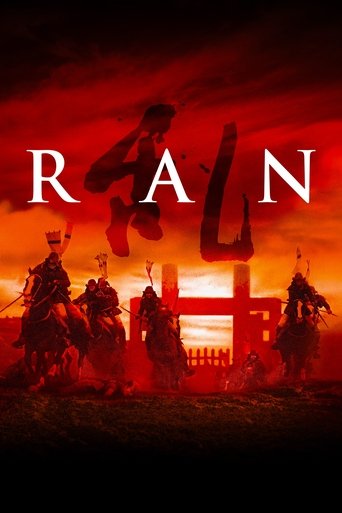
Ran
1985 Action, Drama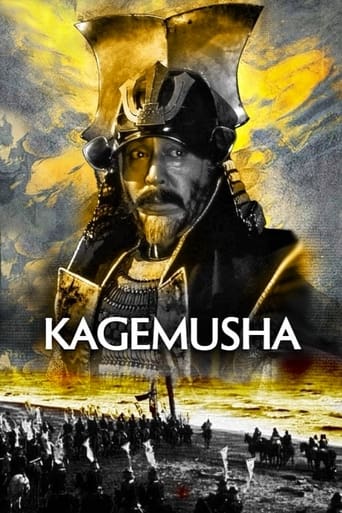
Kagemusha
1980 Action, Drama
Dersu Uzala
1975 Adventure, Drama
Dodes'ka-den
1970 Drama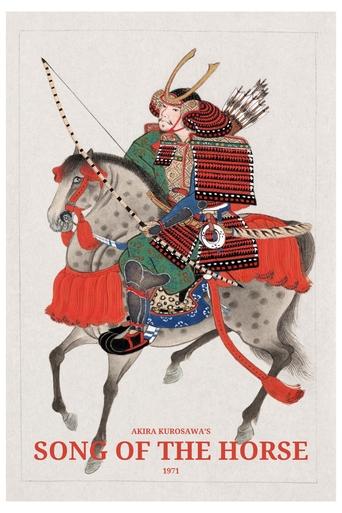
Song of the Horse
1970 Documentary, TV Movie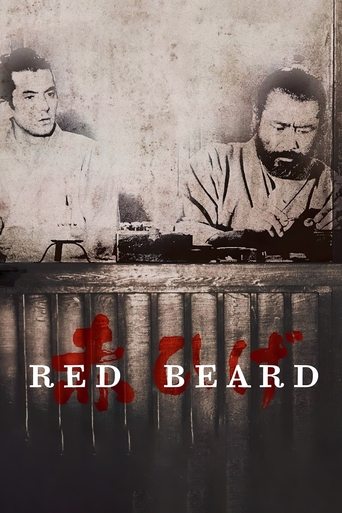
Red Beard
1965 Drama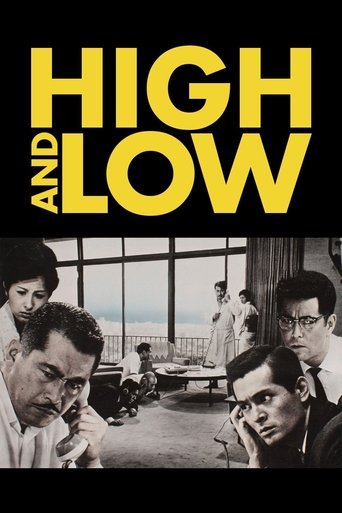
High and Low
1963 Drama, Crime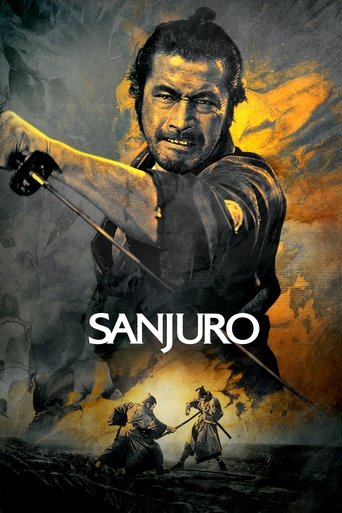
Sanjuro
1962 Drama, Action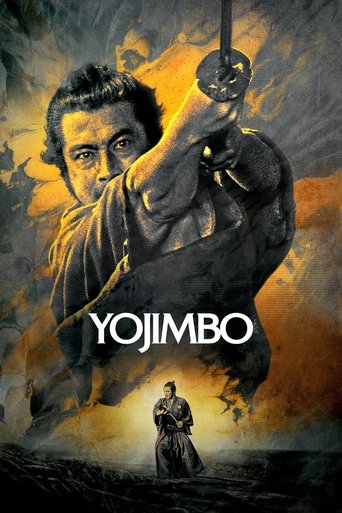
Yojimbo
1961 Drama, Thriller
The Bad Sleep Well
1960 Crime, Drama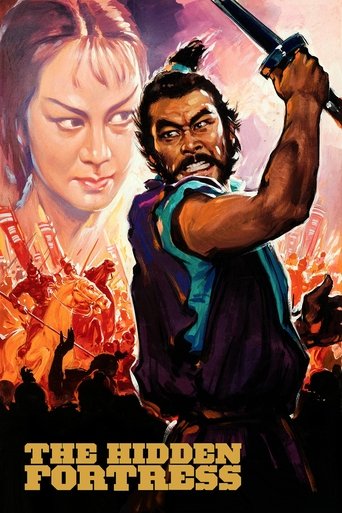
The Hidden Fortress
1958 Drama, Action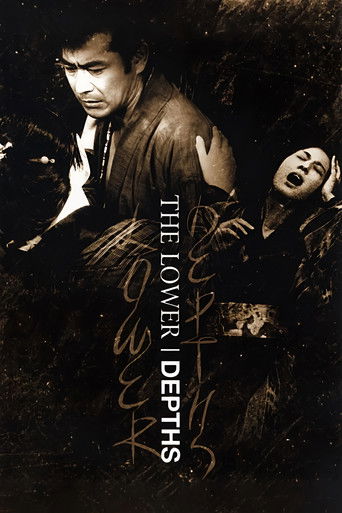
The Lower Depths
1957 Drama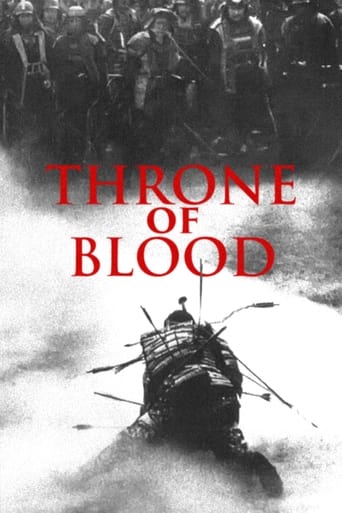
Throne of Blood
1957 Drama, History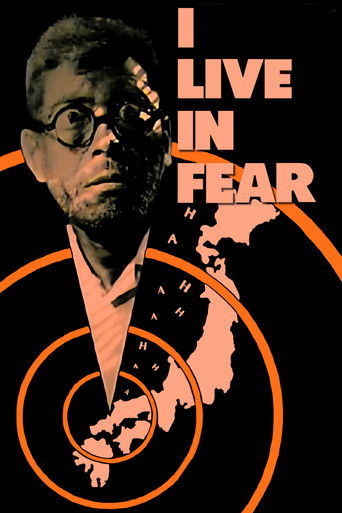
I Live in Fear
1955 Drama
Essential
Seven Samurai
1954 Action, Drama
Essential
Ikiru
1952 Drama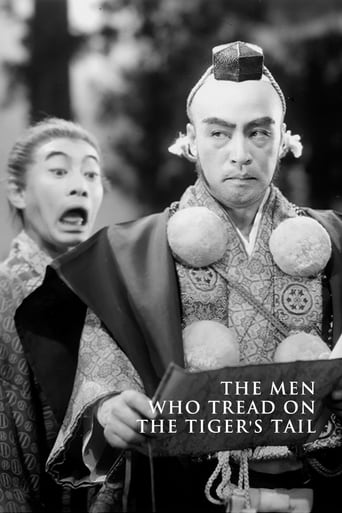
The Men Who Tread on the Tiger's Tail
1952 Drama, History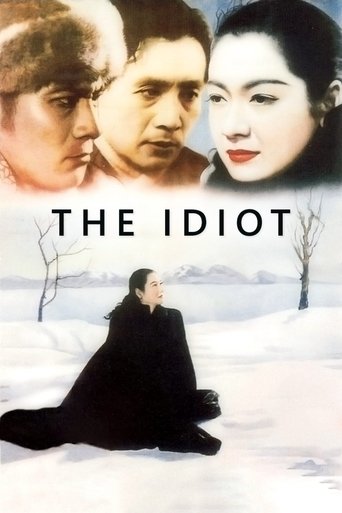
The Idiot
1951 Drama, Romance
Essential
Rashomon
1950 Crime, Drama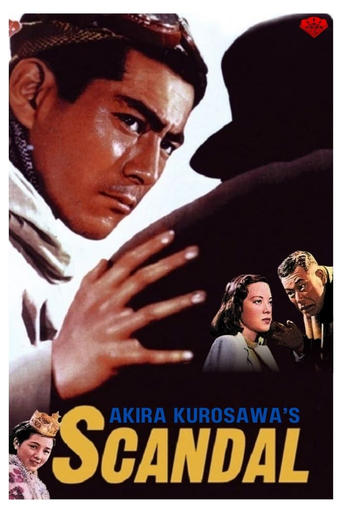
Scandal
1950 Drama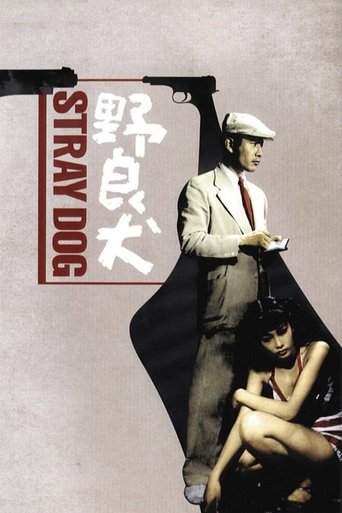
Stray Dog
1949 Crime, Drama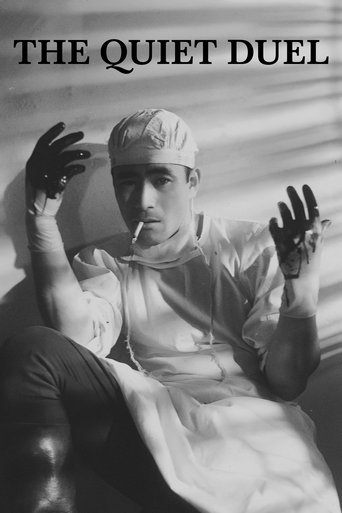
The Quiet Duel
1949 Drama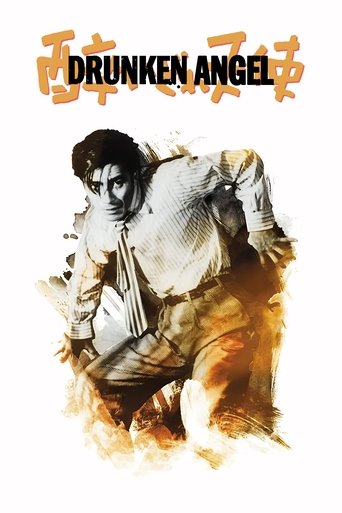
Drunken Angel
1948 Drama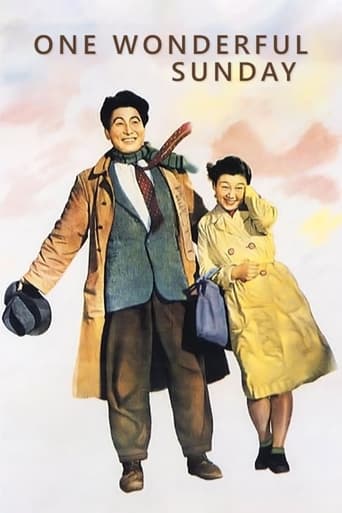
One Wonderful Sunday
1947 Drama, Romance
No Regrets for Our Youth
1946 Drama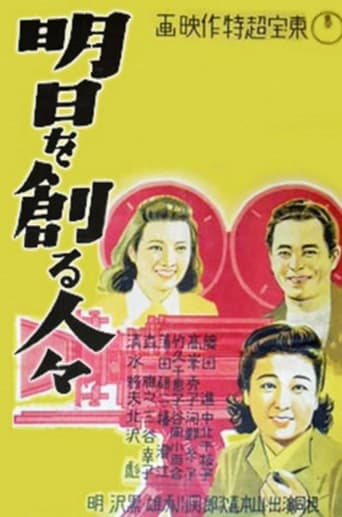
Those Who Make Tomorrow
1946 Drama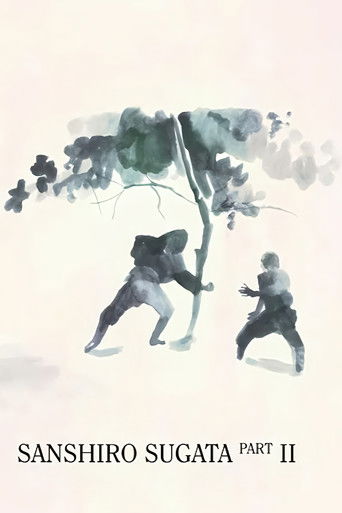
Sanshiro Sugata, Part Two
1945 Action, Drama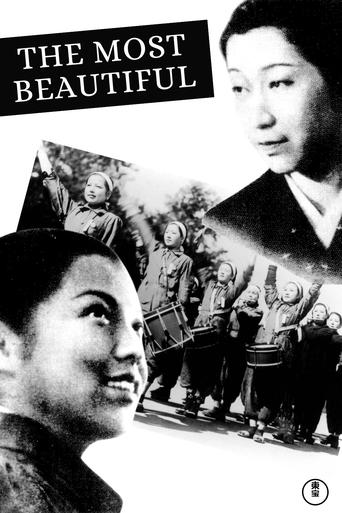
The Most Beautiful
1944 Drama, War